Cherry Hill Car Accident Lawyer

Injured in a car accident in Cherry Hill, New Jersey? Rosengard Law Group will fight for maximum compensation for you and your family.
A serious car accident can leave you facing medical treatment, time away from work, vehicle damage, and uncertainty about how your expenses will be paid. Meanwhile, insurance companies may begin investigating the crash before you fully understand the extent of your injuries.
New Jersey’s car accident laws make these situations particularly complicated. Personal Injury Protection (PIP) coverage, limitations on the right to sue, comparative negligence, and available insurance coverage can all affect your ability to recover compensation.
Rosengard Law Group was founded by Adam S. Rosengard, a New Jersey-admitted personal injury attorney with more than a decade of litigation experience representing both injured plaintiffs and defendants. His background includes serious motor vehicle accidents, catastrophic injury litigation, and complex liability disputes.
If you were injured in Cherry Hill or elsewhere in Camden County, contact Rosengard Law Group to discuss your situation.
Call (856) 284-6446 for a free consultation.

Why Choose Rosengard Law Group for a Cherry Hill Car Accident Case?
The outcome of a car accident claim can depend on much more than proving that another driver caused the collision. Insurance coverage, medical evidence, fault, and New Jersey’s legal restrictions on injury claims can significantly affect the compensation available.
Rosengard Law Group’s background combines experience representing injured clients with an understanding of how defendants and insurance companies evaluate and challenge claims.
Experience on Both Sides of Personal Injury Litigation
Firm founder Adam S. Rosengard has represented injured plaintiffs seeking compensation and defendants facing significant liability claims.
This experience offers insight into both sides of the litigation process: how injury claims develop, what evidence supports them, and how opposing parties may challenge an injury’s nature, cause, or severity.
For example, an insurance company may acknowledge that its insured driver caused an accident while disputing whether the collision caused a particular injury. It may also question whether treatment was necessary, whether an injury is permanent, or whether medical evidence supports the requested compensation.
Understanding these distinctions is essential when evaluating a serious motor vehicle accident claim.
Experience With Substantial Injury Claims
Adam’s reported personal injury results include six-figure recoveries in serious motor vehicle and premises liability cases, along with seven-figure settlements involving wrongful death and catastrophic injuries.
His broader litigation experience includes complex civil disputes in New Jersey state and federal courts and successful appellate arguments before the New Jersey Superior Court, Appellate Division.
Adam has received professional recognition including a Martindale-Hubbell AV Preeminent Peer Review Rating, New Jersey Super Lawyers Rising Stars recognition, and selection to the 2026 edition of Best Lawyers: Ones to Watch in America for Personal Injury Litigation – Defendants.
Learn more about Adam S. Rosengard’s experience, representative cases, and professional qualifications.
A Cherry Hill Office Serving South Jersey
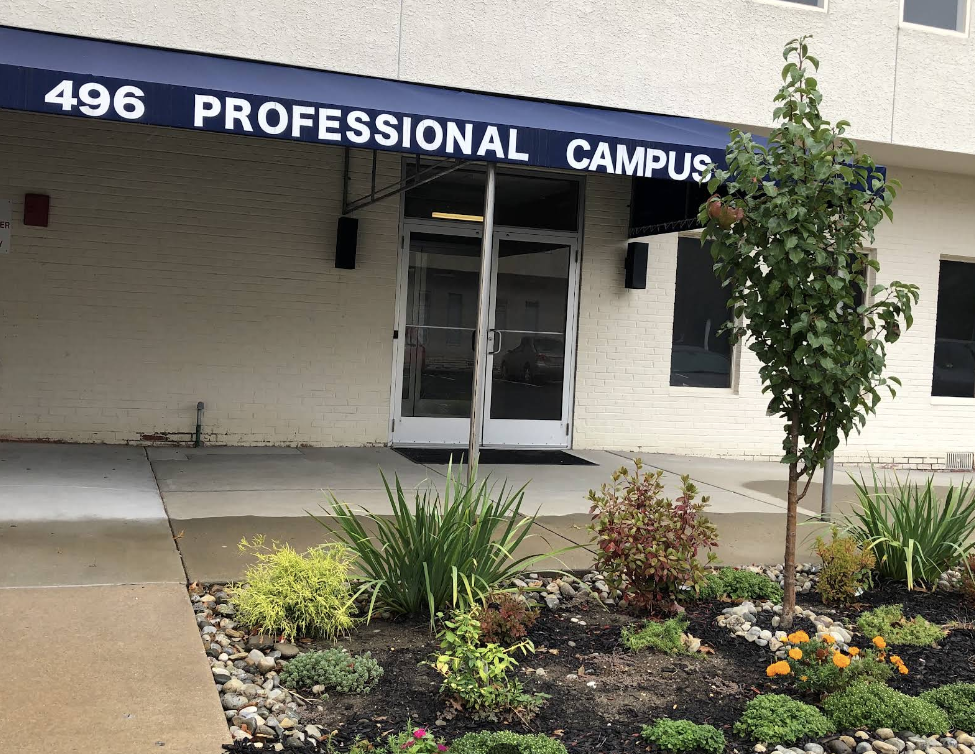
Rosengard Law Group is located at 496 Kings Highway North, Suite 220B, Cherry Hill, NJ 08034.
The firm serves individuals who need legal help after accidents in Cherry Hill, Camden County, and surrounding South Jersey communities.
Free consultation: (856) 284-6446
How a Cherry Hill Car Accident Lawyer Can Help
A car accident claim involves establishing what happened, identifying who may be legally responsible, documenting the injuries, and determining which insurance policies may provide compensation.
A thorough legal evaluation generally involves several important questions.
1. Who Was Responsible for the Accident?
The first question is often whether another driver acted negligently. However, liability is not always as straightforward as it initially appears.
A rear-end collision may involve several vehicles. An intersection accident may involve conflicting statements about traffic signals or the right of way. A commercial vehicle accident may raise questions about the driver’s employer or another responsible party.
Evidence may include police reports, photographs, witness statements, available surveillance or dashcam footage, vehicle damage, and accident reconstruction analysis.
2. What Injuries Did the Accident Cause?
Proving that an accident occurred is different from proving the extent of the resulting injuries.
Medical records, diagnostic imaging, treatment histories, physician opinions, and documentation of ongoing limitations may all be relevant.
In cases involving serious or permanent injuries, medical evidence may also be necessary to establish future treatment needs, diminished earning capacity, and whether the injury satisfies New Jersey’s limitation-on-lawsuit requirements.
3. What Insurance Coverage Is Available?
Determining available compensation requires reviewing more than the at-fault driver’s liability policy.
Depending on the circumstances, a claim may involve Personal Injury Protection benefits, bodily injury liability coverage, uninsured or underinsured motorist coverage, or other applicable policies.
Coverage exclusions, policy limits, and the injured person’s own insurance elections can affect how a claim proceeds.
4. What Is the Full Extent of the Loss?
An injury claim should account for supported losses, not just the bills received so far.
Some injuries require months of rehabilitation. Others may permanently affect a person’s ability to work or perform ordinary activities.
Determining a claim’s appropriate value may require reviewing medical evidence, future treatment recommendations, earnings history, and the injury’s long-term impact.
What Should You Do After a Car Accident in Cherry Hill?
What you do after a crash can affect your health, insurance benefits, and ability to pursue a legal claim.
- Get medical attention. If anyone has been seriously injured, call 911. Some injuries are not immediately apparent after a collision. Prompt medical evaluation can identify injuries requiring treatment and establish an accurate medical record.
- Report the accident. Contact the police when required. An official crash report can help document the people involved, the location, witness information, and the circumstances reported to investigating officers.
- Document the scene if it is safe. Photograph vehicle damage, the surrounding roadway, traffic signals, license plates, and visible injuries. Do not put yourself in danger to gather evidence.
- Exchange information. Obtain the other driver’s name, contact information, insurance details, vehicle registration, and license plate number. If witnesses are willing, request their contact information.
- Notify your insurance company. Follow the reporting requirements of your policy. New Jersey’s PIP system may provide important medical benefits regardless of who caused the accident.
- Be cautious about recorded statements and settlement agreements. Before giving a recorded statement to another driver’s insurance company or accepting a settlement, consider obtaining legal advice. An early settlement may not account for injuries that require further evaluation or treatment.
- Preserve your records. Keep photographs, medical documentation, receipts, correspondence, and records of missed work. These materials can help establish both the cause and the consequences of the accident.
How to Get a Cherry Hill Car Accident Police Report
If the Cherry Hill Police Department investigated your accident, involved parties can request copies of available police reports through the department’s Police Records Office.
The office is located at the Cherry Hill Municipal Building, 820 Mercer Street, Cherry Hill, NJ 08002.
You can find current instructions and office hours on the Cherry Hill Police Department’s official Police Records page.
If the New Jersey State Police or another law enforcement agency investigated your crash, the report-request process may differ.
An important distinction: A police crash report is valuable evidence, but it does not necessarily resolve every question of civil liability. Additional evidence may be needed when the drivers disagree about how the collision occurred.
Understanding New Jersey’s No-Fault Car Accident Insurance Laws
New Jersey uses a no-fault automobile insurance system, but that does not mean the driver who caused an accident cannot be held responsible.
The distinction is between obtaining benefits under your own insurance coverage and pursuing damages from a negligent party.
Personal Injury Protection (PIP)
Personal Injury Protection, commonly called PIP, covers certain accident-related medical expenses regardless of who caused the crash.
Depending on the policy, PIP may also cover certain lost income and other expenses. Deductibles, coverage limits, and other policy provisions apply.
For example, a Cherry Hill driver injured by another motorist may initially have medical expenses processed through applicable PIP coverage rather than waiting for the at-fault driver’s insurance company to accept responsibility.
However, PIP does not automatically cover every accident-related loss. It also does not pay for vehicle damage.
Understanding what PIP covers and what it doesn’t is key to evaluating a New Jersey car accident claim.
Limited Right to Sue vs. Unlimited Right to Sue
One of the most consequential decisions on a New Jersey automobile insurance policy concerns the right to pursue compensation for pain and suffering.
Under a standard policy, drivers can choose either the Limitation on Lawsuit Option or the No Limitation on Lawsuit Option, commonly called limited and unlimited rights to sue.
Limited Right to Sue
This option limits claims for non-economic damages, such as pain and suffering, unless the injury falls under a statutory exception.
Qualifying categories include:
- Death
- Loss of a body part
- Significant disfigurement or significant scarring
- A displaced fracture
- Loss of a fetus
- A permanent injury within the meaning of New Jersey law
For the permanent-injury exception, objective medical evidence is particularly important.
Unlimited Right to Sue
This option generally preserves the right to pursue pain-and-suffering damages without meeting the same statutory injury threshold. The injured person must still establish negligence, causation, and legally recoverable damages.
Important point: The lawsuit limitation applies to non-economic damages. It does not, by itself, eliminate the ability to pursue otherwise recoverable economic damages, such as certain medical expenses or lost wages.
The applicable rules can depend on the policy and the injured person’s circumstances.
For an explanation of these options, see the New Jersey Department of Banking and Insurance’s Standard Automobile Insurance Policy guide.
What Is a Cherry Hill Car Accident Claim Worth?
There is no reliable way to assign a settlement value to a car accident based only on the type of collision, the number of medical appointments, or the amount of vehicle damage.
Two people involved in similar crashes may experience very different injuries and recoveries.
A claim’s value depends on several factors, including evidence of negligence, the nature and permanence of the injuries, available insurance coverage, the injured person’s losses, and any applicable restrictions under New Jersey law.
Medical Expenses and Future Treatment
Recoverable economic losses may include qualifying medical expenses not covered by applicable benefits, subject to New Jersey law.
For a serious injury, future costs may also matter. These can include additional surgery, rehabilitation, ongoing specialist care, and other medically supported treatment needs.
Lost Income and Reduced Earning Capacity
A person may miss several weeks of work following a collision. In more severe cases, an injury can prevent a return to the same occupation or reduce the hours and duties the person can perform.
Past income losses and future reductions in earning capacity may be relevant, depending on the circumstances and available evidence.
Pain, Suffering, and Loss of Enjoyment of Life
A serious injury can affect sleep, mobility, physical activity, family responsibilities, and the ability to participate in ordinary daily life.
These consequences may support non-economic damages when permitted under the applicable law and insurance provisions.
Permanent Injuries
Permanent injuries can significantly change how a case is evaluated.
For example, a spinal injury requiring continuing treatment may raise different questions than a temporary soft-tissue injury that resolves after a short recovery.
Medical opinions, documented functional limitations, future treatment needs, and the applicable lawsuit threshold all become important.
Available Insurance Coverage
Even a strong liability case may involve difficult insurance questions.
The amount of liability coverage available, whether other policies apply, and any uninsured or underinsured motorist benefits can affect the compensation you can realistically obtain.
A meaningful case evaluation considers both the legally supportable value of the damages and the available sources of recovery.
Can You Recover Compensation if You Were Partly at Fault?
Yes, in some circumstances.
New Jersey follows a modified comparative negligence rule. A person’s partial responsibility for an accident does not automatically prevent recovery.
Under N.J.S.A. 2A:15-5.1, an injured person may generally recover if their negligence was not greater than the negligence of the defendant—or the combined negligence of the defendants—against whom recovery is sought.
Compensation is reduced according to the injured person’s percentage of fault.
For example, suppose an injured driver has $100,000 in legally recoverable damages and is found 20% responsible for the collision. Under a straightforward comparative-negligence calculation, the recovery would be reduced to $80,000.
If the injured driver is found 51% responsible and the defendant or combined defendants are 49% responsible, recovery would generally be barred.
The allocation of responsibility can be especially important in:
- Intersection collisions involving disputed traffic signals
- Left-turn accidents
- Multi-vehicle crashes
- Highway merging accidents
- Collisions involving allegations that both drivers were speeding
An insurance company’s assertion that you were partially responsible is not necessarily the final determination of fault. The available evidence matters.
Common Car Accident Cases in Cherry Hill
Car accidents in Cherry Hill can occur on major highways, commercial corridors, neighborhood streets, and at busy intersections.
Different collision types raise different questions about negligence and the evidence available.
Rear-End Accidents
Rear-end collisions can occur in stop-and-go traffic, at intersections, and near highway exits.
Although the rear driver may often be found responsible, the circumstances still matter. Sudden lane changes, multiple impacts, and conflicting accounts can complicate a liability investigation.
Intersection and Left-Turn Accidents
Intersection crashes often involve disagreements about who had the right of way.
Traffic-signal timing, turning movements, witness accounts, road markings, and available video may help determine what happened.
Highway Accidents
Collisions on or near I-295 and other major roadways can involve merging vehicles, sudden traffic slowdowns, commercial trucks, and multiple drivers.
In serious crashes, vehicle positions, the impact sequence, and available physical evidence may require closer examination.
Distracted and Impaired Driving
Drivers who text, use mobile devices, drive while impaired, or fail to pay attention to traffic can cause serious injuries.
Evidence of distraction or impairment may become important when establishing negligent conduct and responsibility for the collision.
Truck and Commercial Vehicle Accidents
Accidents involving delivery vehicles, tractor-trailers, and other commercial vehicles may present additional questions concerning employment relationships, maintenance, vehicle ownership, and applicable insurance coverage.
Hit-and-Run and Uninsured Driver Accidents
When you can’t identify the responsible driver, or they lack sufficient insurance, your own policy may become especially important.
Uninsured and underinsured motorist coverage can provide a path to compensation when available under the policy and applicable law.
Car Accidents on Route 70, Route 38, and I-295
Cherry Hill’s transportation network includes major corridors that carry local traffic, commuters, and commercial vehicles through Camden County.
Route 70 and Route 38 connect residential neighborhoods, shopping areas, and surrounding communities. I-295 carries highway traffic through the region.
The location of a collision can affect the type of evidence available and the questions that need to be investigated.
A left-turn collision on Route 70 may depend on traffic-signal evidence and witness accounts. A multi-vehicle crash near an I-295 interchange may require determining the order of impacts and the actions of several drivers.
An accident near a retail center may involve surveillance footage from nearby businesses, while a highway crash may require examination of vehicle data or other physical evidence.
The key question isn’t simply where the accident happened, but what evidence shows how it happened.
Rosengard Law Group helps individuals after accidents in Cherry Hill and nearby communities, including Haddonfield, Marlton, Pennsauken, Voorhees, and other parts of Camden and Burlington Counties.
Common Injuries in Cherry Hill Car Accidents
Motor vehicle accidents can cause injuries ranging from temporary conditions to permanent disabilities.
Some of the serious injuries associated with vehicle collisions include:
Traumatic Brain Injuries
Concussions and more severe brain injuries may cause headaches, memory problems, cognitive difficulties, or other neurological symptoms. Medical evaluation and appropriate follow-up are important.
Neck and Back Injuries
Cervical and lumbar injuries can include strains, disc injuries, nerve involvement, and other conditions that affect movement or daily activities.
Fractures and Orthopedic Injuries
Broken bones, joint injuries, and ligament damage may require surgery, rehabilitation, or extended periods away from work.
Spinal Cord Injuries
Damage to the spinal cord can result in substantial and potentially permanent neurological impairment, including loss of movement or sensation.
Internal Injuries
Some collisions cause internal bleeding or organ injuries that require emergency treatment, even when external injuries are not immediately obvious.
Psychological Injuries
Some accident victims experience anxiety, sleep disturbances, or other psychological effects following a traumatic collision. These conditions may require professional evaluation and treatment.
In any serious injury claim, the diagnosis is only one part of the legal evaluation. The resulting limitations, medical prognosis, evidence of causation, and long-term consequences also matter.
How Long Do You Have to File a Car Accident Lawsuit in New Jersey?
Under N.J.S.A. 2A:14-2, the general statute of limitations for a personal injury lawsuit in New Jersey is two years from the date the cause of action accrues.
For many car accident cases, this means two years from the collision date.
However, important exceptions and different deadlines may apply.
Claims Involving Government Entities
If an accident involves a potentially responsible public entity, such as a state or local government agency, the New Jersey Tort Claims Act may require formal notice within 90 days of the claim’s accrual.
This is particularly important in cases involving government-owned vehicles or alleged dangerous public-road conditions.
Missing an applicable notice deadline can seriously affect your ability to pursue a claim, although limited late-notice procedures may sometimes be available.
The New Jersey Division of Risk Management provides information about claims involving the State of New Jersey. Claims involving local public entities may require a different filing process.
Why Evidence Should Be Preserved Early
Even when a lawsuit deadline is months or years away, important evidence may become unavailable.
Video recordings may be overwritten, vehicles may be repaired, witnesses may become hard to locate, and accident details may be forgotten.
Early evaluation can help identify evidence worth preserving and determine which insurance and legal deadlines apply.
How Are Car Accident Claims Resolved?
Every case is different, but an injury claim generally involves several stages.
Initial Case and Insurance Review
The accident circumstances, injuries, insurance policies, and applicable legal requirements are evaluated to identify potential claims and immediate issues.
Investigation and Evidence Collection
Depending on the case, relevant evidence may include crash reports, photographs, witness information, medical documentation, vehicle records, and expert analysis.
Medical Evaluation and Damage Documentation
The available medical evidence is reviewed to understand the nature of the injuries, their connection to the accident, and the resulting financial and personal losses.
For injuries with an uncertain prognosis, the long-term consequences may need further evaluation.
Settlement Negotiations
Once liability, injuries, and recoverable damages can be meaningfully evaluated, a settlement may be pursued with the appropriate insurance carrier or responsible party.
A settlement should be considered in light of the evidence, available coverage, legal risks, and the consequences of releasing further claims.
Litigation When Necessary
If a dispute cannot be resolved through negotiation, a lawsuit may be necessary to pursue compensation, provided there is a legally supportable claim.
Litigation may involve discovery, depositions, expert testimony, motions, mediation, and potentially trial.
Whether litigation is appropriate depends on the circumstances of the case.
Frequently Asked Questions About Cherry Hill Car Accident Claims
Do I need a lawyer after a minor car accident?
Not every minor accident requires legal representation. However, a consultation may be worthwhile if you have injuries, disputed fault, unpaid medical expenses, or uncertainty about your insurance coverage.
The severity of the vehicle damage does not, by itself, determine whether an injury claim exists.
What if the other driver doesn’t have insurance?
Uninsured motorist coverage may provide compensation in certain circumstances if it is available under your policy. Different rules may apply to unidentified drivers and hit-and-run collisions.
The relevant policy language, reporting requirements, and circumstances of the accident should be reviewed.
Can I bring a claim if I was a passenger?
Passengers injured in vehicle accidents may have claims against a negligent driver or another responsible party.
Determining which PIP and liability policies apply can depend on the passenger’s household insurance arrangements, the vehicles involved, and other facts.
What if I have the limited right to sue?
You may still have a legally viable claim. The limitation primarily concerns non-economic damages, such as pain and suffering.
Whether an injury qualifies for an exception requires a review of the applicable policy, medical evidence, and New Jersey law.
What if the insurance company says I was partly responsible?
An insurance company’s position does not automatically determine legal responsibility.
New Jersey’s comparative negligence law permits recovery in some cases involving shared fault. Evidence concerning each driver’s conduct becomes especially important.
What if I already received a settlement offer?
A settlement offer should be evaluated before signing a release.
Accepting a final settlement can prevent additional recovery for the same claim, even if the injury later proves more serious than initially expected.
How much does it cost to hire a Cherry Hill car accident lawyer?
Personal injury lawyers commonly use contingency-fee arrangements, under which attorney fees are tied to a recovery rather than billed hourly.
The applicable fee percentage, responsibility for litigation expenses, and other terms should be explained in the written fee agreement.
Rosengard Law Group offers free initial consultations.
Will my car accident case go to trial?
Not necessarily. Many injury claims are resolved through settlement, although some disputes require litigation.
Whether a case proceeds to trial depends on issues such as liability, the medical evidence, the amount in dispute, available insurance, and the parties’ willingness to reach an agreement.
Can I pursue a claim if I live outside New Jersey but was injured in Cherry Hill?
Potentially. The location of the accident, the insurance policies involved, the parties’ residences, and applicable law can affect the claim.
Accidents involving out-of-state drivers may require additional analysis of coverage and legal requirements.
Speak With Rosengard Law Group About Your Cherry Hill Car Accident
If you were injured in a Cherry Hill car accident, understanding your legal position begins with the facts: how the collision occurred, the injuries you sustained, the insurance coverage available, and the New Jersey laws that apply.
Rosengard Law Group offers free consultations for individuals seeking guidance after motor vehicle accidents in Cherry Hill and throughout South Jersey.
Call (856) 284-6446 to discuss your accident.
Rosengard Law Group
496 Kings Highway North, Suite 220B
Cherry Hill, NJ 08034
Free Consultation | No Obligation
This page provides general information about New Jersey car accident law and is not legal advice for any particular situation. Legal rights, deadlines, insurance benefits, and recoverable damages depend on the individual circumstances of each case.
Get a Free Consultation
The use of the Internet or this form for communication with the firm or any individual member of the firm does not establish an attorney-client relationship. By submitting, you agree to our
Privacy Policy.


