Truck Tire Blowouts What to Know about Lawsuits and Claims

Truck tire blowouts are a serious concern for commercial drivers and motorists alike. When a tire suddenly fails, it can lead to devastating accidents, injuries, and even fatalities. Given the size and weight of commercial trucks, a blowout can cause a truck to swerve uncontrollably, jackknife, or overturn, endangering everyone on the road.
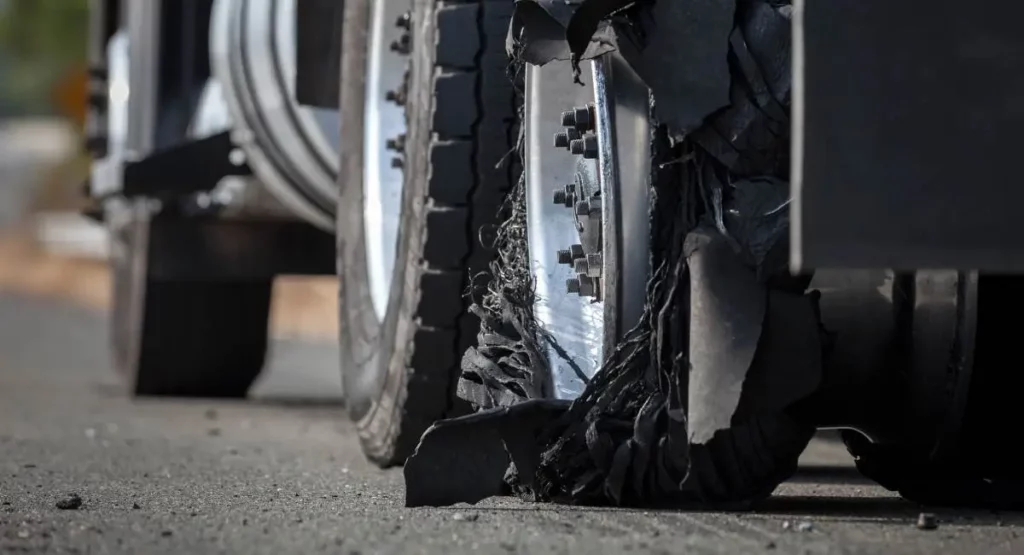
For truck drivers operating in New Jersey, understanding the risks and responsibilities associated with tire blowouts is essential. Whether due to poor maintenance, hazardous road conditions, or manufacturing defects, a blowout can have serious legal and financial consequences. This guide will cover the dangers of tire blowouts, their causes, immediate actions to take, and the legal responsibilities of truck drivers and trucking companies in New Jersey.
Why Tire Blowouts Are Dangerous
A tire blowout is one of the most dangerous situations a truck driver can face on New Jersey roads. When a tire suddenly bursts, it can cause the driver to lose control, leading to catastrophic accidents. Given the size and weight of commercial trucks, these accidents can result in serious injuries or fatalities for both the truck driver and other motorists.
A tire blowout can lead to:
- Loss of vehicle control
- Rollovers or jackknifing
- Collisions with other vehicles
- Road debris hazards
Truck drivers operating on New Jersey highways such as I-95, the New Jersey Turnpike, or Route 287 must be prepared for the risks associated with tire blowouts and understand how to prevent them.
Common Causes of Truck Tire Blowouts
Tire blowouts can occur due to several factors, many of which can be prevented with proper maintenance and responsible driving practices.
Poor Tire Maintenance
Truck drivers and trucking companies are responsible for maintaining their tires. Regular inspections are crucial to ensuring tire integrity. Some key maintenance issues include:
- Under-inflation: Causes excessive heat buildup, leading to a higher risk of failure.
- Over-inflation: Weakens the tire structure, making it prone to bursting.
- Uneven wear and tear: Often results from improper alignment or unbalanced loads.
Overloaded Trucks
New Jersey follows federal weight regulations, which cap truck loads at 80,000 pounds. Overloading a truck puts excessive pressure on the tires, increasing the likelihood of a blowout. Violations of weight limits can lead to fines and liability in the event of an accident.
Road Hazards
Potholes, debris, and construction zones are common on New Jersey roads, especially in high-traffic areas near Newark, Trenton, and Camden. A truck hitting a pothole at high speeds can result in immediate tire failure.
Manufacturing Defects
Some blowouts are caused by defective tires. If a manufacturer fails to recall faulty tires, injured victims may have grounds for a product liability lawsuit.
Extreme Weather Conditions
Hot summers and frigid winters in New Jersey can impact tire durability. High temperatures cause increased pressure inside the tire, while cold weather can make rubber brittle.
Immediate Actions to Take During a Tire Blowout
If a tire blows out while driving, remaining calm and following these steps can help prevent a severe accident:
- Grip the steering wheel firmly to maintain control.
- Do not slam the brakes, as this can cause the truck to skid.
- Let off the accelerator gradually to slow the truck down.
- Steer straight ahead and avoid sudden movements.
- Once at a safe speed, signal and pull over to a safe location.
- Turn on hazard lights to alert other drivers.
- Call for roadside assistance or emergency services if necessary.
Legal Responsibilities for NJ Truck Drivers and Trucking Companies
Federal and State Regulations
Truck drivers and trucking companies operating in New Jersey must adhere to safety regulations set by the Federal Motor Carrier Safety Administration (FMCSA) and the New Jersey Department of Transportation (NJDOT). These regulations include:
- Routine tire inspections before and after trips (FMCSA 49 CFR § 396.11).
- Weight restrictions to prevent overloading (N.J.S.A. 39:3-84).
- Liability for negligence if poor maintenance contributes to an accident.
Failure to comply with these regulations can lead to severe penalties and increased liability in accident claims.
What to Do If You’re Involved in a Truck Accident Due to a Tire Blowout
If you or a loved one has been injured in a truck accident caused by a tire blowout in New Jersey, taking the right steps can protect your legal rights:
- Seek medical attention immediately – Your health is the top priority.
- Call the police – A police report will document key details.
- Gather evidence – Take photos of the accident scene, tire debris, and any visible damage.
- Get witness statements – If anyone saw the accident, their testimony could be valuable.
- Consult an experienced truck accident lawyer – New Jersey’s statute of limitations for personal injury claims is two years (N.J.S.A. 2A:14-2), so acting quickly is crucial.
Holding the Responsible Parties Accountable
Potentially liable parties in a truck tire blowout accident may include:
- The truck driver (if negligence played a role in maintenance or overloading).
- The trucking company (for failing to enforce safety regulations).
- Tire manufacturers (if a defective product caused the blowout).
- Government entities (if poor road maintenance was a contributing factor).
At Rosengard Law Group, we have extensive experience handling truck accident cases in New Jersey. If you’ve been injured due to a truck tire blowout, our trusted truck accident lawyer in Cherry Hill, NJ can help you pursue the compensation you deserve. Contact us today at (856) 284-6446 to book a free consultation. We don’t charge any fees unless we win your case.
Get a Free Consultation
The use of the Internet or this form for communication with the firm or any individual member of the firm does not establish an attorney-client relationship. By submitting, you agree to our
Privacy Policy.


